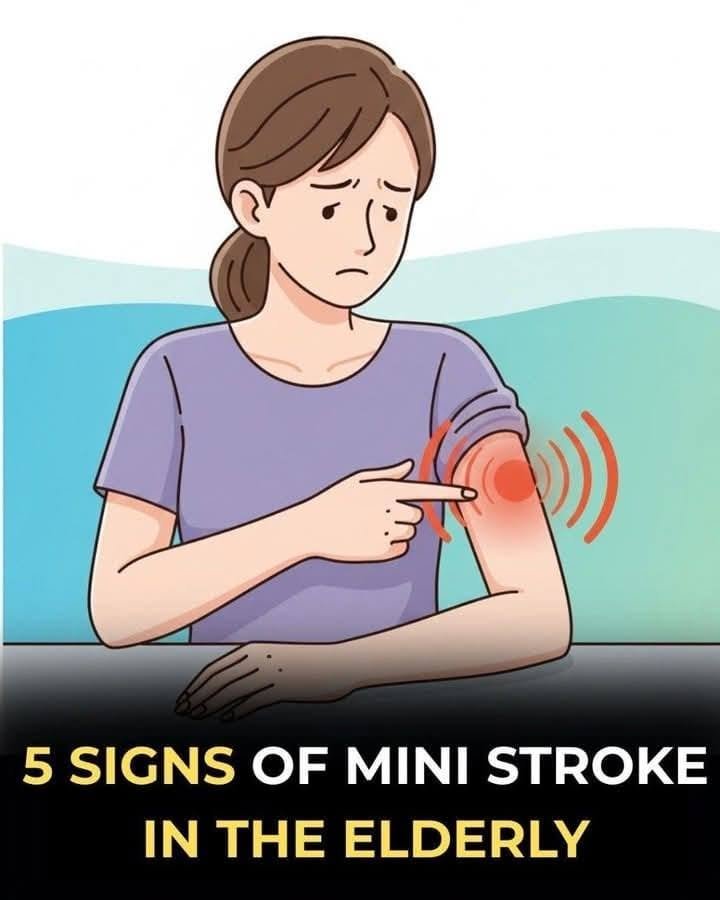
2. Difficulty Speaking or UnderstandingSpeech
A mini stroke can temporarily affect the areas of the brain responsible for language.
Warning signs include:
- Slurred speech
- Difficulty finding the right words
- Trouble understanding conversations
- Speaking in confusing or nonsensical sentences
Even if speech quickly returns to normal, immediate medical evaluation is necessary.
3. Sudden Vision Changes
Temporary vision problems are another common symptom.
These may include:
- Blurred vision
- Double vision
- Partial vision loss
- Temporary blindness in one eye
Some people describe it as a curtain briefly covering part of their vision before it clears.
Because many eye conditions can also cause vision changes, sudden vision loss should always be treated as a medical emergency until proven otherwise.
4. Dizziness or Loss of Balance
A mini stroke can interfere with the brain’s ability to control balance and coordination.
Symptoms may include:
- Sudden dizziness
- Difficulty walking
- Loss of coordination
- Feeling unsteady without an obvious cause
- Trouble maintaining balance
These symptoms are especially concerning when they occur suddenly or are accompanied by other neurological symptoms.
5. Sudden Confusion or Memory Problems
Brief episodes of confusion can also signal a mini stroke.
A person may:
- Become suddenly disoriented
- Forget recent events
- Have difficulty concentrating
- Seem unusually confused
- Struggle to follow simple conversations
Although these symptoms may disappear quickly, they should never be dismissed as simply “getting older.”
Why Immediate Medical Care Is So Important
Many people mistakenly believe that because the symptoms disappear, there is no longer a problem.
In reality, a mini stroke is often the body’s warning that a major stroke may occur in the near future.
Prompt medical evaluation allows healthcare professionals to:
- Identify the cause of the TIA
- Assess stroke risk factors
- Begin treatments that may reduce the risk of another stroke
- Recommend lifestyle changes or medications when appropriate
Early intervention can be lifesaving.
Remember the FAST Warning Signs
The FAST acronym can help you recognize the most common symptoms of stroke:
- F – Face: Does one side of the face droop?
- A – Arms: Is one arm weak or numb?
- S – Speech: Is speech slurred or difficult?
- T – Time: If you notice any of these signs, seek emergency medical care immediately.
Even if symptoms disappear within minutes, emergency evaluation is still necessary.
Who Is at Higher Risk?
Although anyone can experience a mini stroke, certain factors increase the risk, including:
- Older age
- High blood pressure
- Diabetes
- High cholesterol
- Smoking
- Heart disease
- Atrial fibrillation
- Obesity
- Physical inactivity
Managing these risk factors with the help of a healthcare provider can help reduce the likelihood of future strokes.
When Should You Seek Emergency Care?
Call emergency medical services immediately if you or someone else experiences:
- Sudden weakness or numbness
- Trouble speaking or understanding speech
- Vision loss or blurred vision
- Sudden dizziness or difficulty walking
- Severe confusion
- Any stroke-like symptoms, even if they last only a few minutes
Do not drive yourself to the hospital if symptoms are severe. Emergency responders can begin evaluation and treatment as quickly as possible.
Final Thoughts
A mini stroke may be temporary, but its warning should never be overlooked. Recognizing the symptoms early and seeking immediate medical attention can help reduce the risk of a future stroke and improve long-term outcomes.
Staying informed, managing health conditions, and acting quickly during a medical emergency are among the most important steps you can take to protect your brain health.
Medical Disclaimer
This article is intended for informational and educational purposes only. It is not a substitute for professional medical advice, diagnosis, or treatment. If you experience symptoms that could indicate a stroke or mini stroke, seek emergency medical care immediately. Always consult a qualified healthcare professional regarding any questions about your health or medical conditions.