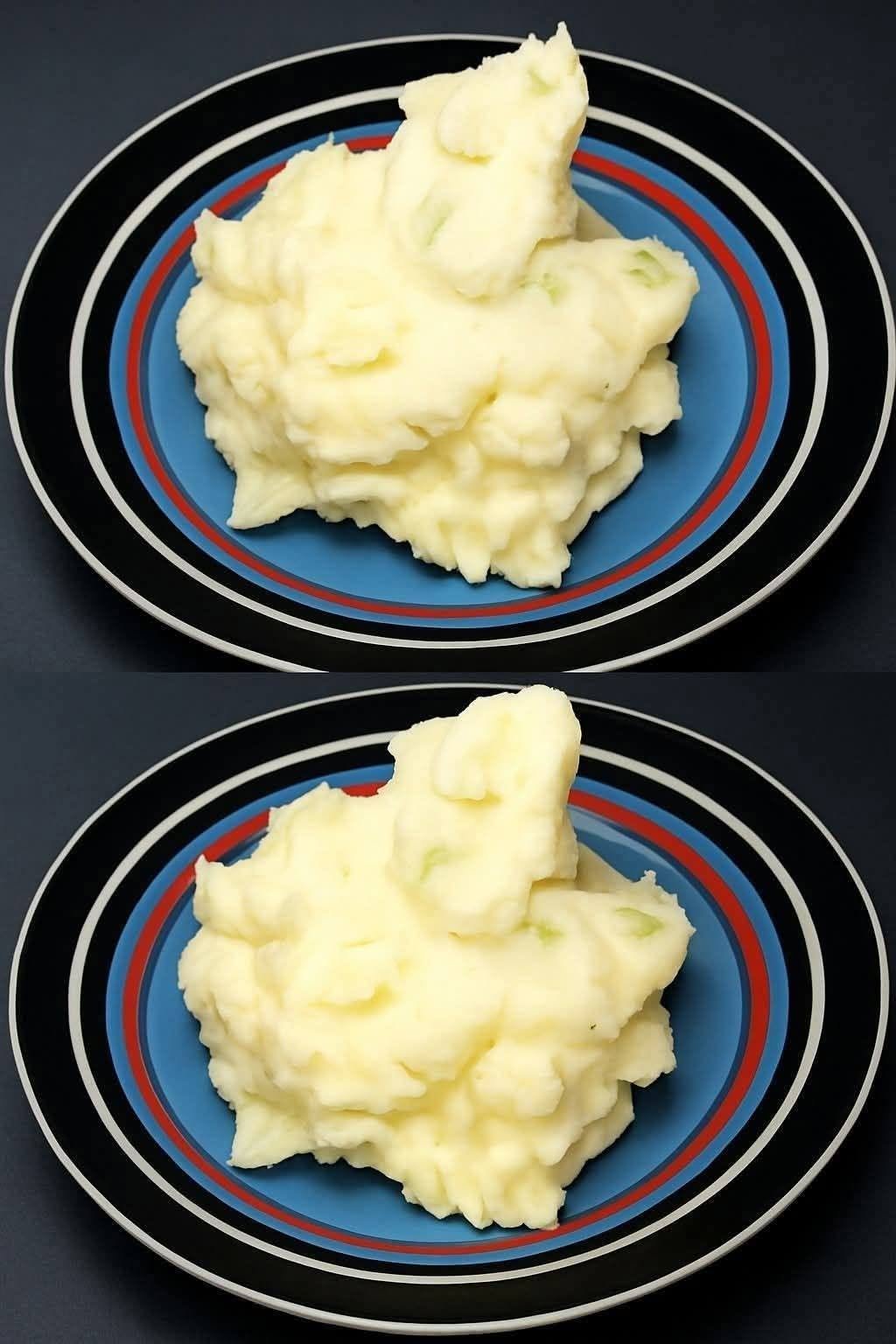
How to Make Grandma’s Mashed Potatoes
Step 1: Prepare the Potatoes
Peel the Russet potatoes and cut them into evenly sized pieces.
Keeping the pieces similar in size helps them cook at approximately the same rate, preventing some pieces from becoming overcooked while others remain firm.
Step 2: Cook Until Tender
Place the potato pieces in a large pot and cover them with water.
Bring the water to a boil and cook until the potatoes are completely tender and easily pierced with a fork.
Avoid leaving them in the water longer than necessary, as overly waterlogged potatoes can make the finished mash less flavorful.
Step 3: Warm the Cream
While the potatoes are cooking, gently warm the heavy cream.
The cream should be warm rather than boiling.
Softened or melted butter can also be prepared at this stage.
Step 4: Drain Thoroughly
Drain the cooked potatoes well.
Allowing excess water to drain away is important because too much moisture can dilute the rich, creamy texture of the finished mashed potatoes.
Return the potatoes to the warm pot for a moment if needed to allow excess surface moisture to evaporate.
Step 5: Mash Gently
Mash the potatoes using a traditional potato masher or potato ricer.
Add the butter and gradually incorporate the warm cream.
If using sour cream, fold it in at this stage.
Season with salt and freshly ground black pepper according to taste.
For garlic mashed potatoes, add the finely minced garlic while combining the ingredients.
Step 6: Finish and Serve
Continue mixing gently until the potatoes reach your preferred consistency.
Avoid excessive stirring.
Transfer the mashed potatoes to a serving bowl and finish with chopped fresh chives or parsley.
Serve warm with an extra pat of butter if desired.
The Secret to Fluffy Mashed Potatoes
The type of potato you choose can make a noticeable difference.
Russet potatoes contain plenty of starch and relatively little moisture, making them especially suitable for creating light and fluffy mashed potatoes.
However, even the best potatoes can become gummy if they’re overworked.
A food processor or high-speed blender can break down the potato cells too aggressively and release excess starch. Instead, use a potato masher or ricer and work gently.
Why Warm Cream Matters
Adding warm dairy helps maintain the temperature of the cooked potatoes while allowing the butter and cream to blend smoothly into the mash.
Cold dairy can cool the potatoes quickly and make it more difficult to achieve the smooth, velvety consistency associated with classic creamy mashed potatoes.
For the richest results, use warmed cream and softened or melted butter.
Easy Variations
Once you’ve mastered the basic recipe, you can customize it to suit your meal.
Garlic Mashed Potatoes
Add fresh minced garlic for a savory, aromatic flavor.
Herb Mashed Potatoes
Finish the potatoes with fresh chives, parsley, rosemary, or another favorite herb.
Extra-Creamy Mashed Potatoes
Use heavy cream and sour cream together for an especially rich and velvety texture.
Lighter Mashed Potatoes
Replace the heavy cream with whole milk for a lighter consistency while maintaining plenty of creaminess.
What to Serve With Mashed Potatoes
These classic mashed potatoes are incredibly versatile and pair beautifully with roasted chicken, turkey, beef, pork, meatloaf, and hearty vegetable dishes.
They’re especially popular as a Thanksgiving side dish, where their creamy texture provides the perfect complement to roasted turkey, gravy, stuffing, and other traditional favorites.
Final Thoughts
Grandma’s mashed potatoes prove that the best comfort food doesn’t need complicated ingredients. With starchy Russet potatoes, creamy dairy, rich butter, and gentle preparation, you can create a homemade side dish that’s fluffy, flavorful, and satisfying.
The most important tips are simple: choose high-starch potatoes, cook them until tender, warm your dairy, drain thoroughly, and avoid over-mashing.
Follow those steps, and you’ll have a bowl of creamy mashed potatoes that’s worthy of any family dinner or holiday table.
For Complete Cooking STEPS Please Head On Over To Next Page Or Open button (>)